


In today’s digital-first economy, businesses are under constant pressure to deliver seamless customer experiences. One of the most strategic decisions companies face is whether to invest in a mobile app or a web app. Both have unique strengths, but the key question remains: Which option drives higher return on investment (ROI)? This article explores the trade-offs to help you choose the right path for your business
Understanding Mobile Apps
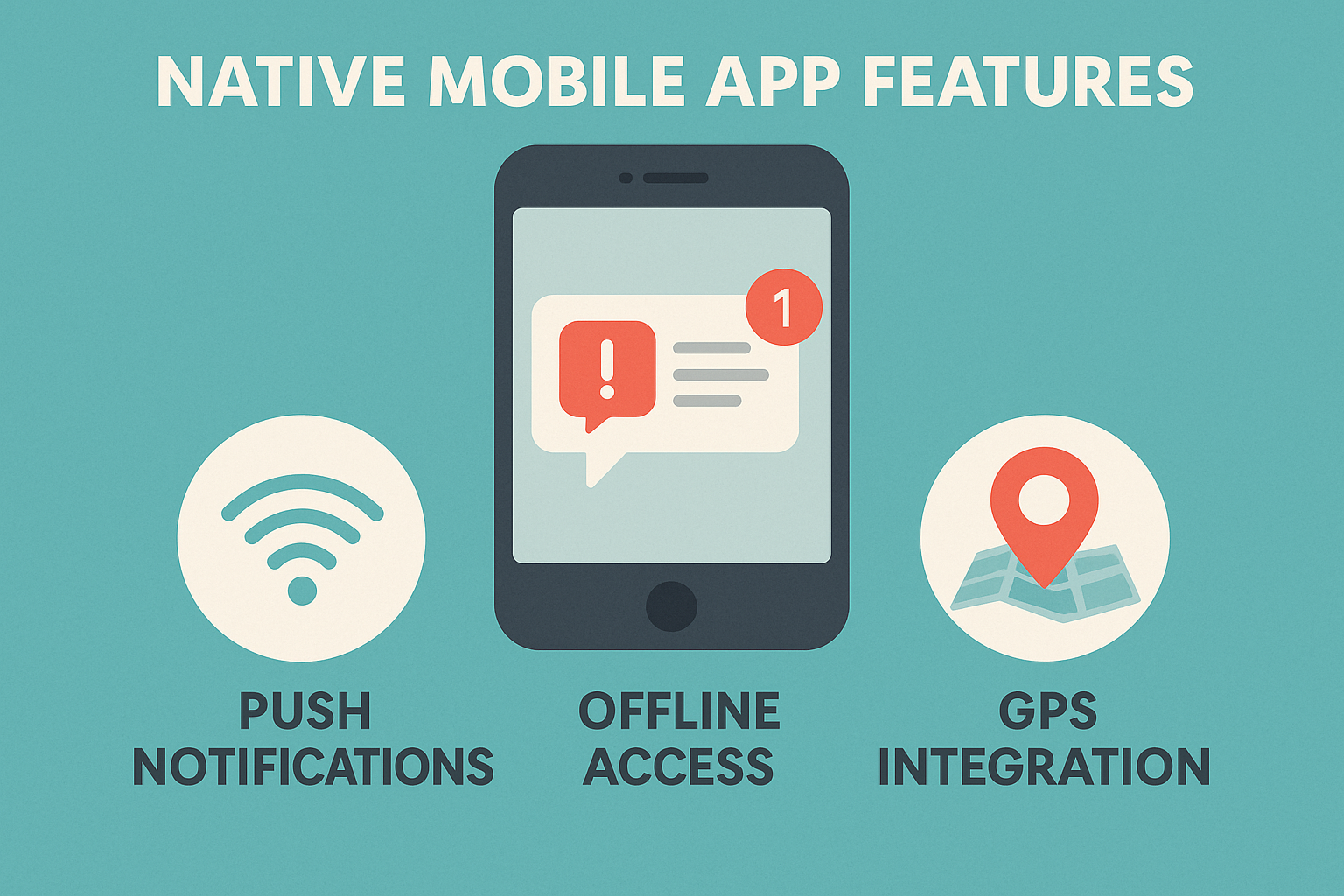
Mobile apps are applications developed to run natively on smartphones and tablets. They are downloaded from app stores such as Google Play or the Apple App Store and can access device-specific features like GPS, camera, and push notifications.
When mobile apps work best:
- Delivering highly personalized user experiences
- Leveraging device features for functionality
- Building customer loyalty through engagement
Understanding Web Apps
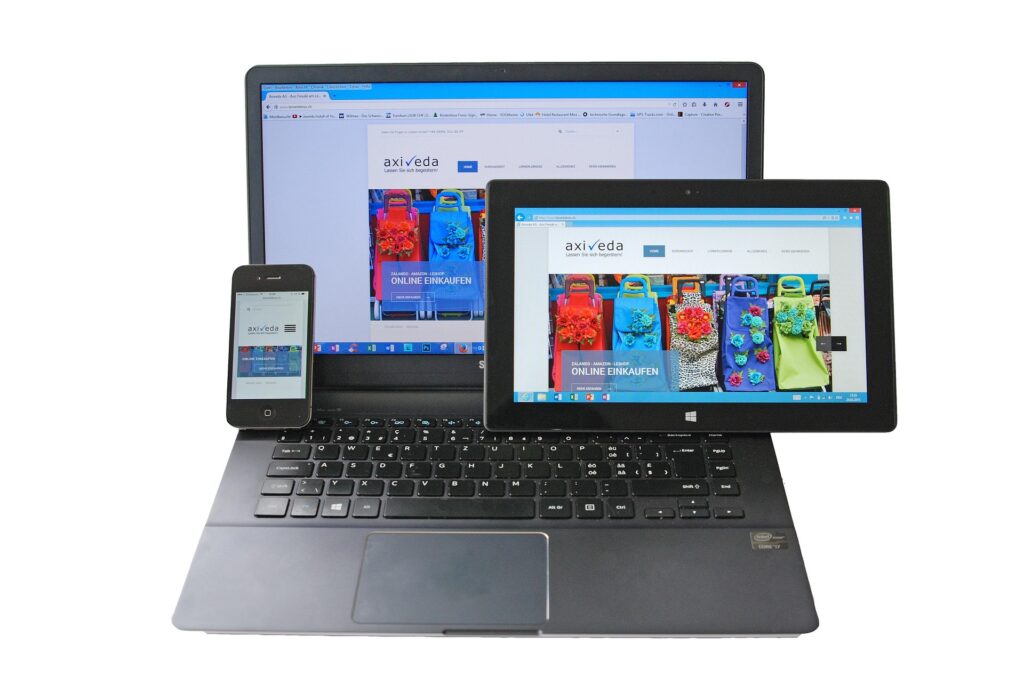
Web apps are applications that run through a browser and can be accessed from any device with an internet connection. They eliminate the need for installation and function like dynamic websites with app-like capabilities.
When web apps work best:
- Ensuring accessibility across devices with one codebase
- Reaching a wide audience at lower development costs
- Launching quickly with lower maintenance requirements
Cost and Time to Market
- Mobile Apps: Require separate development for iOS and Android, leading to higher upfront costs and longer timelines. Ongoing updates also add to the budget.
- Web Apps: Faster and more cost-efficient to develop, with one codebase serving all platforms simultaneously.
Key takeaway: Web apps often deliver a higher short-term ROI due to lower development costs and quicker deployment.
User Engagement and Retention
- Mobile Apps: Users spend a significant portion of their mobile time inside apps. Features like push notifications, offline functionality, and personalized interfaces lead to higher retention rates.
- Web Apps: Offer easy accessibility but often lack the deep engagement features of mobile apps.
Key takeaway: For businesses focused on long-term user engagement and loyalty, mobile apps tend to generate stronger ROI.
Scalability and Reach
- Mobile Apps: Require platform-specific updates and version management, which can slow down scalability.
- Web Apps: Instantly accessible to anyone with a browser, making them highly scalable and globally accessible at a lower cost.
Key takeaway: Web apps are more scalable and cost-effective for businesses targeting mass adoption.
The ROI Verdict
- Businesses prioritizing speed, cost-efficiency, and global reach will often benefit more from web apps.
- Companies focused on engagement, personalization, and brand loyalty may see stronger ROI from mobile apps.
- Many organizations adopt a hybrid strategy—starting with a web app to test the market, then investing in a mobile app once user traction is established.
Final Thoughts
There is no one-size-fits-all answer when it comes to choosing between a mobile app and a web app. The decision depends on your business goals, target audience, and growth roadmap.
At Technobae, we help startups and enterprises evaluate these options strategically to maximize ROI. Whether you need rapid deployment with a web app or long-term engagement through a mobile app, our team ensures your digital investment is future-proof.
Ready to determine which option is right for your business?
Contact Technobae today for a consultation and let’s build a solution tailored for growth.